
SCIENCE
This is the science of aging, decoded for women in midlife. Every article on the Science page is grounded in peer-reviewed research and sourced from the world’s leading experts in healthy longevity. We cover the biology, the interventions, the emerging evidence, and what it means for how you actually age. Every claim is cited and every conclusion is one we’d trust with our own health.



THIS MONTH: AGING DECODED
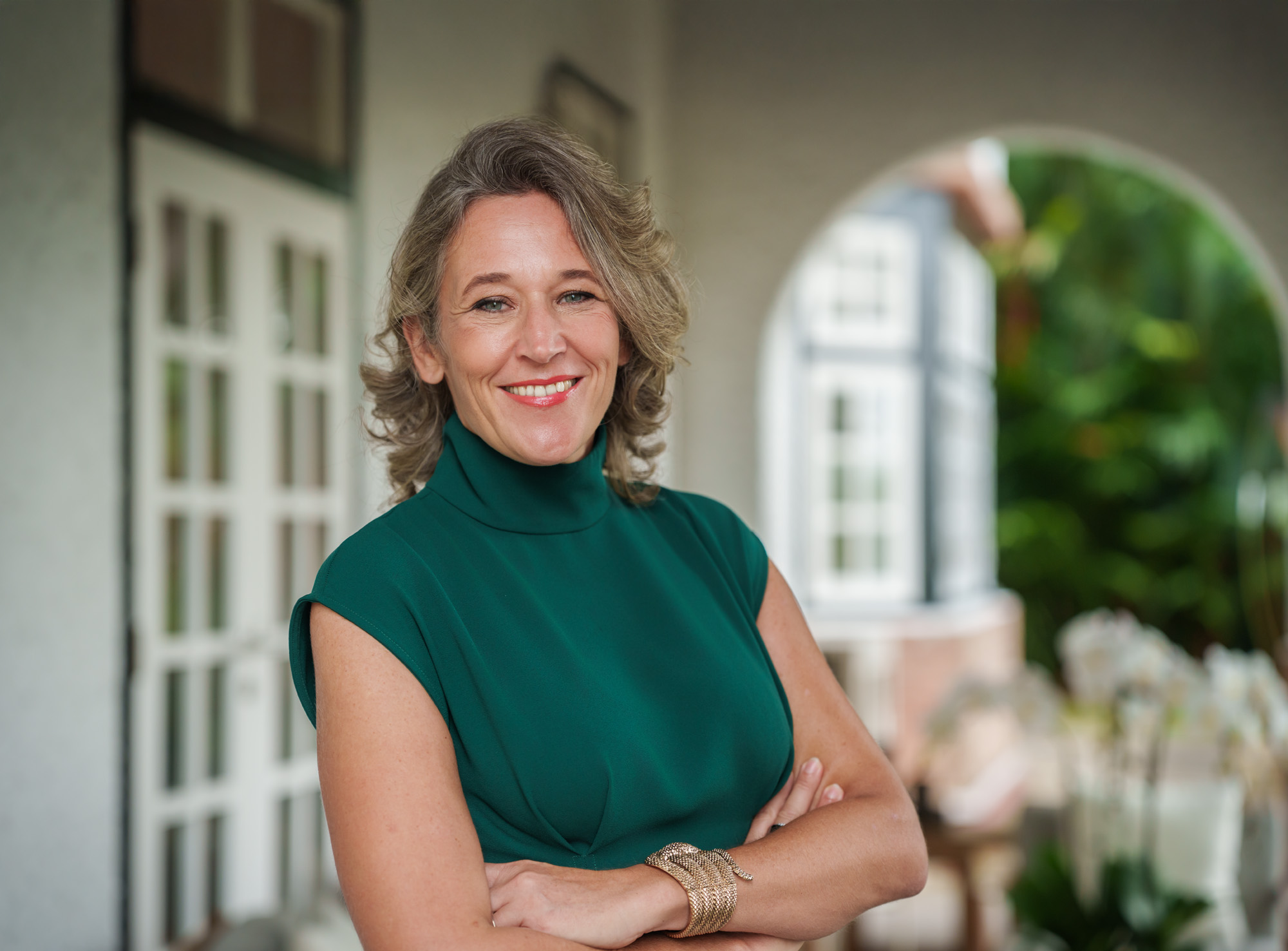
professor andrea maier
phd, md
Professor Andrea is a global pioneer and world-renowned authority in healthy longevity, recently recognized by TIME Magazine as a longevity leader. An Internal Medicine specialist and Geriatrician, she leads the field of Precision Geromedicine, dedicated to understanding the mechanisms of aging and translating this knowledge into advanced, evidence-based interventions that optimize health across the lifespan. Professor Maier holds the Oon Chiew Seng Professorship at NUS and multiple professorships internationally, and Co-Founder of Chi Longevity in Singapore. With 500+ peer-reviewed publications, she is the founding President of the Healthy Longevity Medicine Society and advises influential bodies like the United Nations and World Health Organization.
meet the panel
These are the pioneers shaping
how the world ages better.
Every voice on this page is a world-leading scientist, clinician, or researcher at the forefront of their field. They publish the research, run the trials, and shape how the world understands healthy aging. We interview them to bring their expertise into conversations designed for women in midlife.
As the panel grows, new voices will appear here.

Aging Decoded
Professor Andrea Maier, PhD MD
Sleep

Nutrition

Hormones
the sources behind
the science.
Every claim on this page is drawn from peer-reviewed research and cited to its source. When something is still being studied or not yet known, we tell you.
primary sources
Every expert we quote is a physician, researcher, or practitioner with published work. Credentials linked so you can verify.
credentialed sources
Sources are hyperlinked in the piece, not buried in footnotes. If we said it, you can trace it.
inline citations
Sources are hyperlinked in the piece, not buried in footnotes. If we said it, you can trace it.
public corrections
When we get something wrong, we own it publicly. We do not silently update.